When caring for our pets, choosing the right treats is essential. Many pet owners often wonder, "what are the healthiest treats for pets?" This question is vital for their overall wellness. Healthy treats can enhance your pet's diet while providing enjoyment. They offer benefits beyond mere indulgence.
Nutritional quality matters. Look for treats rich in natural ingredients and low in preservatives. For instance, lean proteins, fruits, and veggies can be excellent options. These ingredients not only satisfy your pet's taste buds but also support their health. Sometimes, pet owners overlook how even small treats can impact their pets' diet.
Additionally, finding the balance between taste and health can be challenging. Some treats label themselves as "healthy," but a closer look might reveal hidden sugars or fillers. It's important to read the ingredient list thoroughly. By being aware and informed, you can make better choices. Remember, your pet's health depends largely on what you feed them.
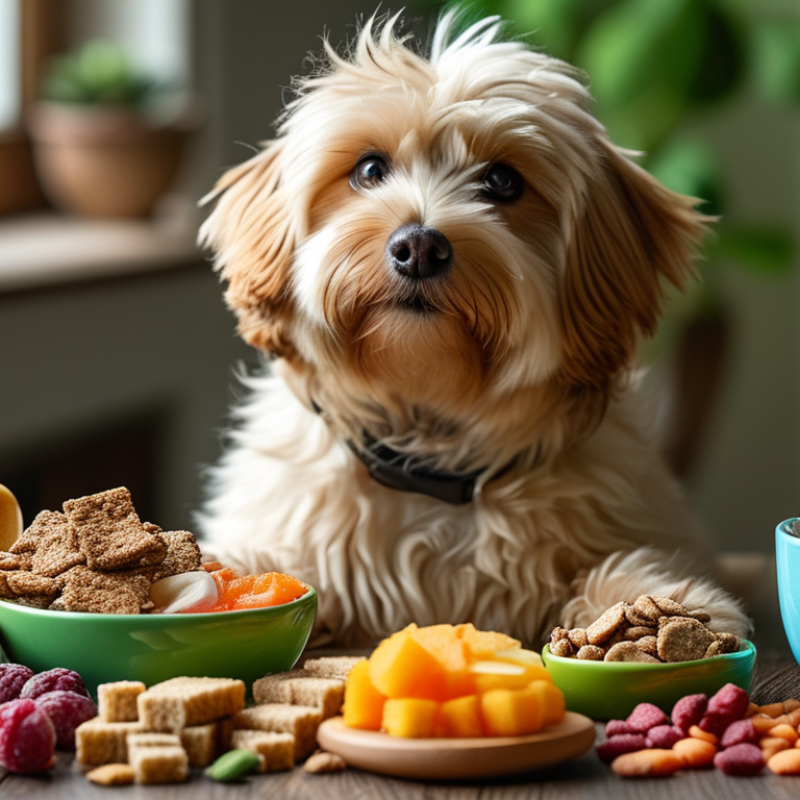
When choosing pet treats, it’s crucial to analyze nutritional ingredients. Look for high-quality proteins, such as chicken or fish. These proteins provide essential amino acids that support muscle health. Healthy fats, like omega-3 and omega-6 fatty acids, promote a shiny coat and healthy skin. These nutrients are vital for overall well-being.
Additionally, consider the presence of whole grains or vegetables. Ingredients like sweet potatoes or brown rice offer fiber and vital vitamins. Antioxidants, found in fruits like blueberries, help boost the immune system. They can combat the effects of aging. Avoid treats with excessive fillers or artificial additives. These can provide empty calories and potentially harm your pet's health.
Remember that not all ingredients are created equal. Some pets may have allergies or sensitivities. Check for specific ingredients that could cause issues. It’s essential to tailor treat choices to your pet’s unique needs. Always consult a veterinarian if unsure about what treats are best. The right nutrition in pet treats can make a significant difference.
| Treat Name | Primary Ingredient | Nutritional Benefit | Caloric Content (per treat) | Recommended For |
|---|---|---|---|---|
| Sweet Potato Chews | Sweet Potatoes | Rich in vitamins A and C | 35 kcal | Dogs |
| Chicken Jerky | Chicken | High protein | 45 kcal | Dogs |
| Salmon Bites | Salmon | Omega-3 fatty acids | 40 kcal | Cats & Dogs |
| Peanut Butter Balls | Peanut Butter | Protein and healthy fats | 50 kcal | Dogs |
| Carrot Sticks | Carrots | Low-calorie and high fiber | 10 kcal | Dogs & Rabbits |
| Blueberry Treats | Blueberries | Antioxidants | 15 kcal | Dogs & Cats |
| Pumpkin Crunchies | Pumpkin | Digestive health | 30 kcal | Dogs |
| Coconut Chips | Coconut Meat | Healthy fats and fiber | 25 kcal | Dogs |
| Turkey Chew Sticks | Turkey | Lean protein source | 40 kcal | Dogs |
| Liver Treats | Beef Liver | High in vitamins and minerals | 20 kcal | Dogs |
: Focus on nutritional needs. Treats should complement the overall diet and be high in protein.
Healthy fats support skin and coat health. Omega-3 and Omega-6 fatty acids are great options.
Avoid treats with fillers and artificial additives. Common allergens may be found in low-quality options.
Low fiber can cause digestive issues. Ingredients like pumpkin and green beans are beneficial for digestion.
Not always. Some treats may claim health benefits but contain poor-quality ingredients. Check labels carefully.
Read labels and look for certifications. Ensure treats contain real meat and natural ingredients.
Yes, up to 80% of allergies may come from common ingredients in poor-quality treats. Be cautious.
Observe your pet's preferences. Experiment with different textures and flavors to find the best fit.
Ingredients like vegetables, fruits, and probiotics are popular. They enhance digestion and boost immunity.
Yes, experimentation helps you understand what your pet enjoys and what meets their health needs.
When it comes to ensuring the well-being of our furry friends, it’s essential to ask, "what are the healthiest treats for pets?" Understanding the top nutritional ingredients in pet treats can guide you in selecting options that support your pet's health. Look for ingredients rich in proteins, healthy fats, and natural fruits or vegetables while avoiding artificial additives and fillers.
For those looking to give their pets the best, there are numerous healthy treat options for both dogs and cats available in the market today. Additionally, homemade treat recipes can be an excellent way to provide your pets with nutritious snacks tailored to their preferences. Knowing how to read and understand pet treat labels is crucial for making informed choices. By focusing on these factors, you can ensure your pets enjoy tasty treats that contribute positively to their diet.

 Curon Pet